

Bitcoin’s Energy Use Is Real. The Waste Argument Is Not.
Bitcoin’s energy use is real, but consumption alone does not determine waste. The real question is whether the value and security of an open global monetary network justify its energy cost.
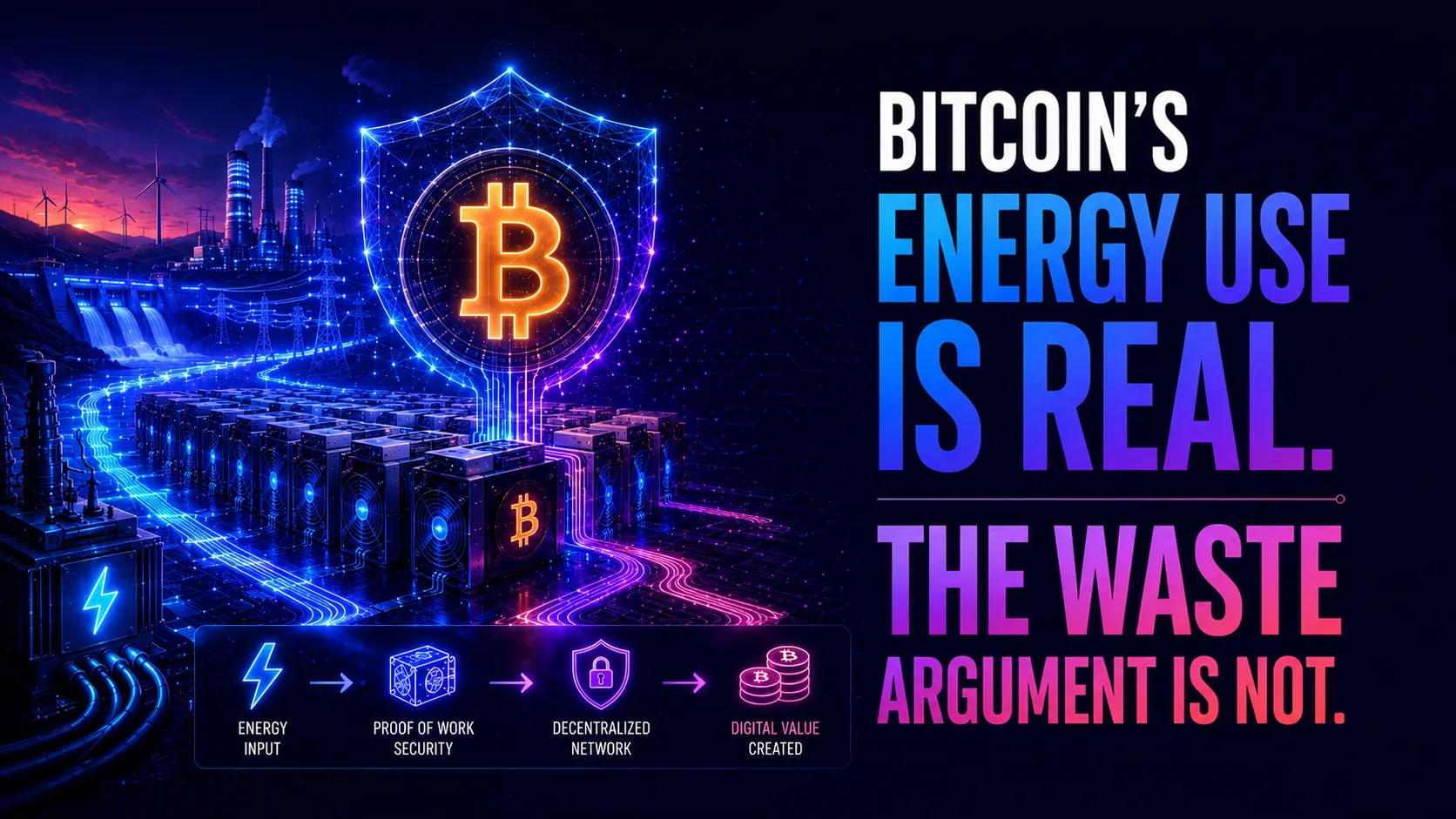
Energy Consumption Is Not the Same as Energy Waste
Bitcoin uses a lot of electricity. That part is not controversial.
According to the Cambridge Centre for Alternative Finance’s 2025 Digital Mining Industry Report, Bitcoin mining consumed an estimated 138 TWh of electricity annually, representing roughly 0.5% of global electricity consumption. The same research estimated annual greenhouse gas emissions at approximately 39.8 million tonnes of CO2 equivalent.
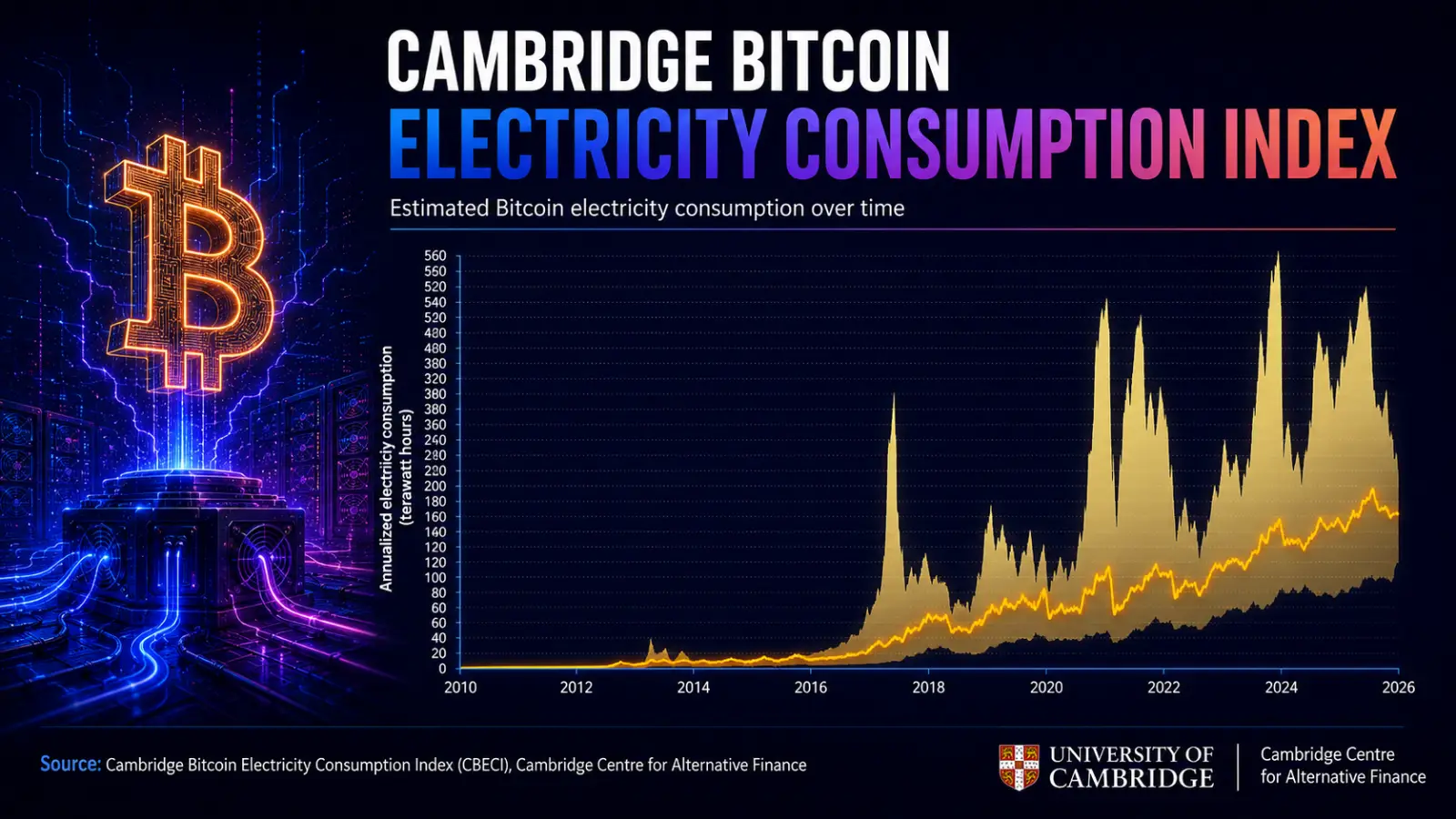
Those are significant numbers. The problem is what usually happens next.
Bitcoin’s electricity consumption gets treated as if the number alone settles the debate. Someone compares the network to a country; another person calculates energy per transaction; and the conclusion is simple: Bitcoin uses a lot of electricity and is wasteful.
That is not enough.
The better questions are harder. What does Bitcoin provide in return? What kind of energy does it use, and what are fair comparisons? What do competing systems cost? Could the energy have been stranded, curtailed, flared, or wasted, and can mining add grid flexibility or reuse its heat?
Most importantly, is what Bitcoin provides worth the environmental cost?
Energy consumption is not automatically energy waste. The real question is what society receives in return.
The Environmental Criticism Is Not Imaginary
Proof-of-work mining deliberately consumes energy. Bitcoin miners run specialized computers that compete to add blocks to the blockchain, while the network adjusts mining difficulty as computational power changes.
There are legitimate concerns about where mining takes place, what powers it, whether mining increases local electricity demand, what happens to older hardware, and how much pollution comes from the underlying energy source.
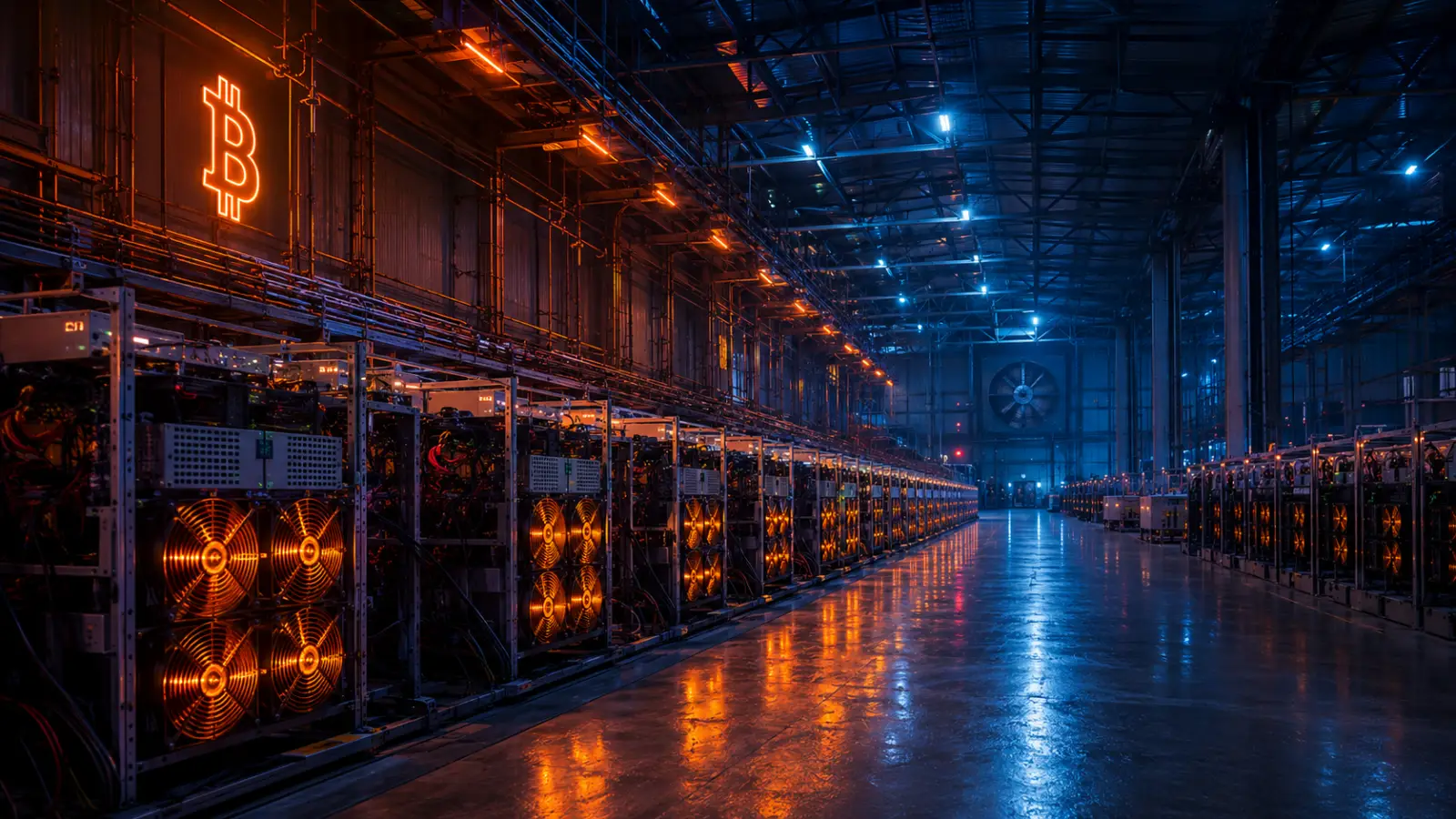
A coal-powered Bitcoin mine is not environmentally equivalent to a hydro-powered operation. A miner that ramps up during grid stress is nothing like one that curtails, and a facility burning otherwise-flared gas differs from one pulling new fossil power off a constrained grid.
However, this also comes back to where people are using it. Because China generated roughly 55% of its electricity from coal in 2025, the environmental harm from mining there is less a Bitcoin problem than a Chinese energy-infrastructure problem. However, it’s technically banned there so there is no official reporting that we have easy access to.
The strongest defense is not that Bitcoin’s impact is zero. It is important that environmental costs are weighed against utility, energy source, alternatives, and the actual system being compared.
The serious Bitcoin energy debate is not between ‘Bitcoin uses no energy’ and ‘Bitcoin is destroying the planet.’ The serious debate is about trade-offs.
The Energy Use Is Part of the Design
Bitcoin is trying to solve a difficult problem: how can people around the world maintain and verify a monetary ledger without placing one bank, company, government, or platform in complete control of it?
Bitcoin’s answer is proof-of-work.
Miners perform computational work, while nodes independently verify whether transactions and blocks follow the rules. The work is expensive because hardware and electricity are expensive. That cost helps make attacks on the network economically difficult.
Bitcoin does not eliminate the cost of trust. It changes how trust is produced.
Traditional systems rely on institutions, legal enforcement, compliance and fraud teams, cybersecurity, internal databases, and trusted intermediaries.
Bitcoin uses cryptography, open verification, economic incentives, and computational work.
Bitcoin is not a free infrastructure. It is infrastructure with a different cost model.
Bitcoin Is Not Visa
One of the most common environmental comparisons is Bitcoin versus Visa.
The comparison is attractive because it creates a dramatic number. Visa processes an enormous volume of transactions, while Bitcoin processes fewer base-layer transactions. Divide estimated electricity use by transaction count, and Bitcoin looks absurdly inefficient.
The problem is that the comparison uses different system boundaries.
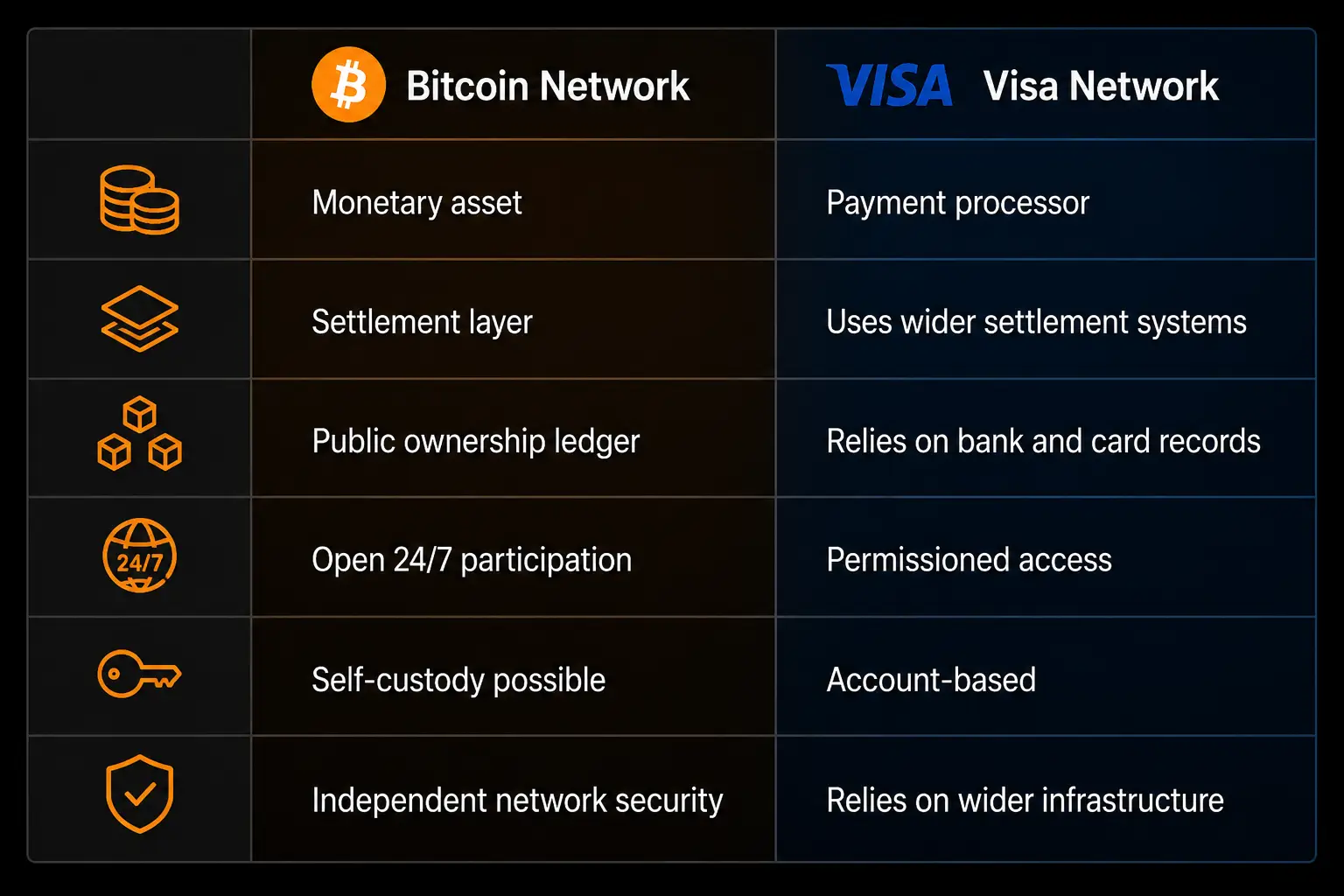
Visa is one payment network operating inside a much larger financial system. It relies on banks, currencies, telecom networks, payment processors, compliance and fraud systems, settlement rails, and legal institutions.
So this comparison intentionally leaves out all the energy that powers the systems Visa requires to function.
That does not make Visa bad. It means comparing Bitcoin’s entire energy footprint with one payment layer is incomplete and misleading.
Bitcoin also does not consume electricity on a per-transaction basis. Blocks are mined whether they contain fewer transactions or are full, while activity can also be batched or moved through additional layers.
That does not make Bitcoin infinitely scalable, but it does make the popular “one transaction uses X electricity” framing misleading.
A comparison can use accurate numbers and still produce a misleading conclusion if the system boundaries are wrong.
Transactions Per Second Are Not the Only Measure of Value
A gold bar is not useless because it cannot process 10,000 retail purchases per second.
Bitcoin does not need to replace every coffee purchase to have value. The relevant questions are whether it can transfer and settle value securely, allow users to hold assets independently, maintain predictable monetary rules, and operate without a single central administrator.
The Country Comparison Is Mostly Rhetorical
Another favorite headline says Bitcoin uses as much electricity as a country.
That is useful for communicating scale. It is much less useful for deciding whether the consumption is justified.
Countries are not units of environmental morality. They have different populations, industries, climates, economies, and energy systems.
Cambridge’s 2025 research estimated Bitcoin mining at roughly 0.5% of global electricity consumption.
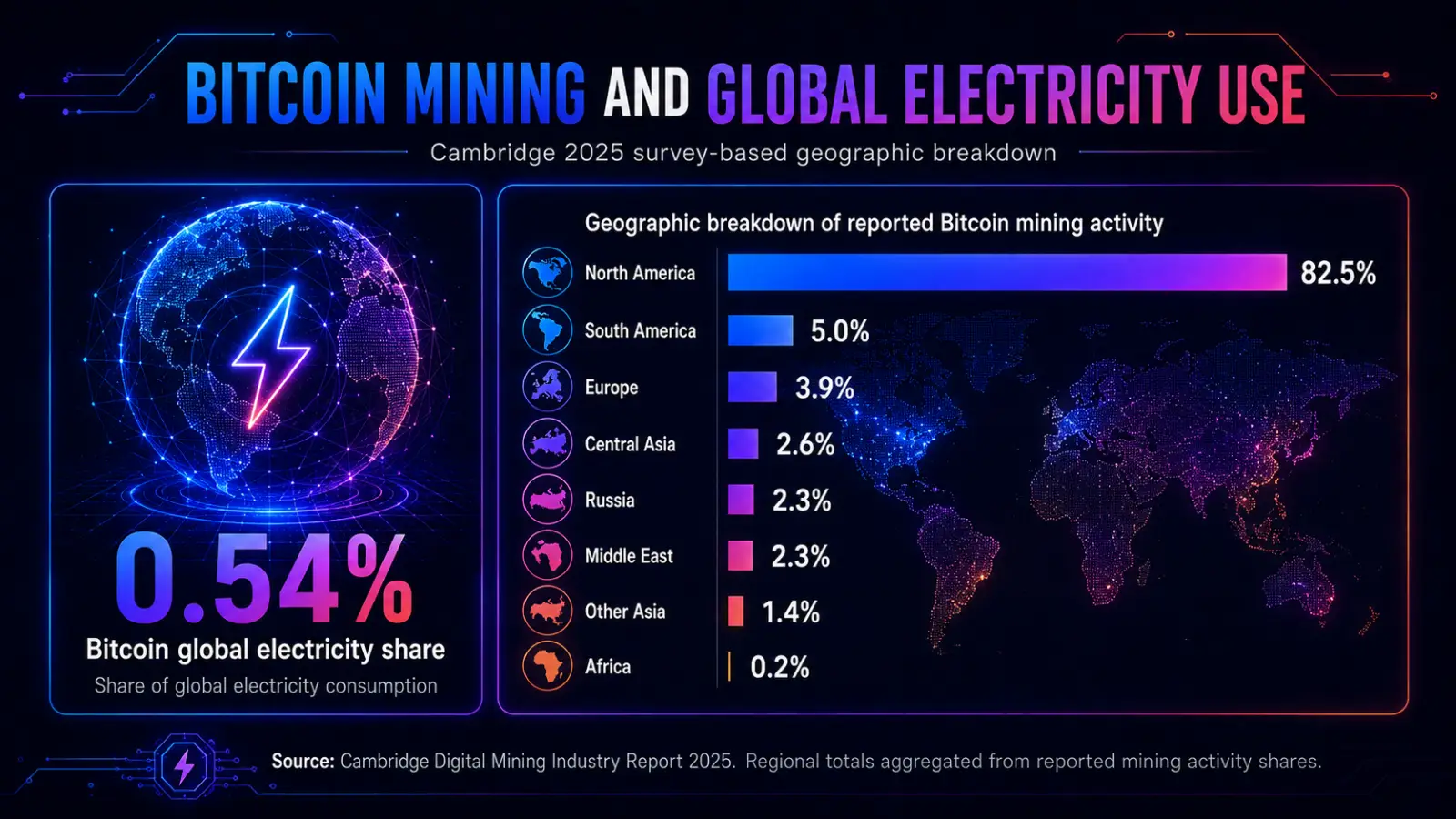
That is enough to deserve scrutiny. There is no evidence that Bitcoin is one of the world's largest environmental threats. More importantly, weighing this solely on electricity usage is misleading when we are talking about pollution, fossil fuels, and waste.
Scale should inform the debate. It should not replace the debate.
What Matters More Than a Country Comparison
The better questions are:
What source produced the electricity?
Could the load be curtailed?
Was any energy wasted?
Does the system produce enough value to justify the cost?
Are there larger, more impactful problems to focus on first?
Bitcoin’s Energy Mix Is Changing
Electricity use and carbon emissions are not the same measurement.
A mining operation powered by hydroelectricity does not have the same emissions profile as one powered mainly by coal.
Cambridge’s 2025 mining research found that the surveyed mining operations reported 52.4% of their electricity coming from what it categorized as sustainable energy sources: 42.6% renewables and 9.8% nuclear.
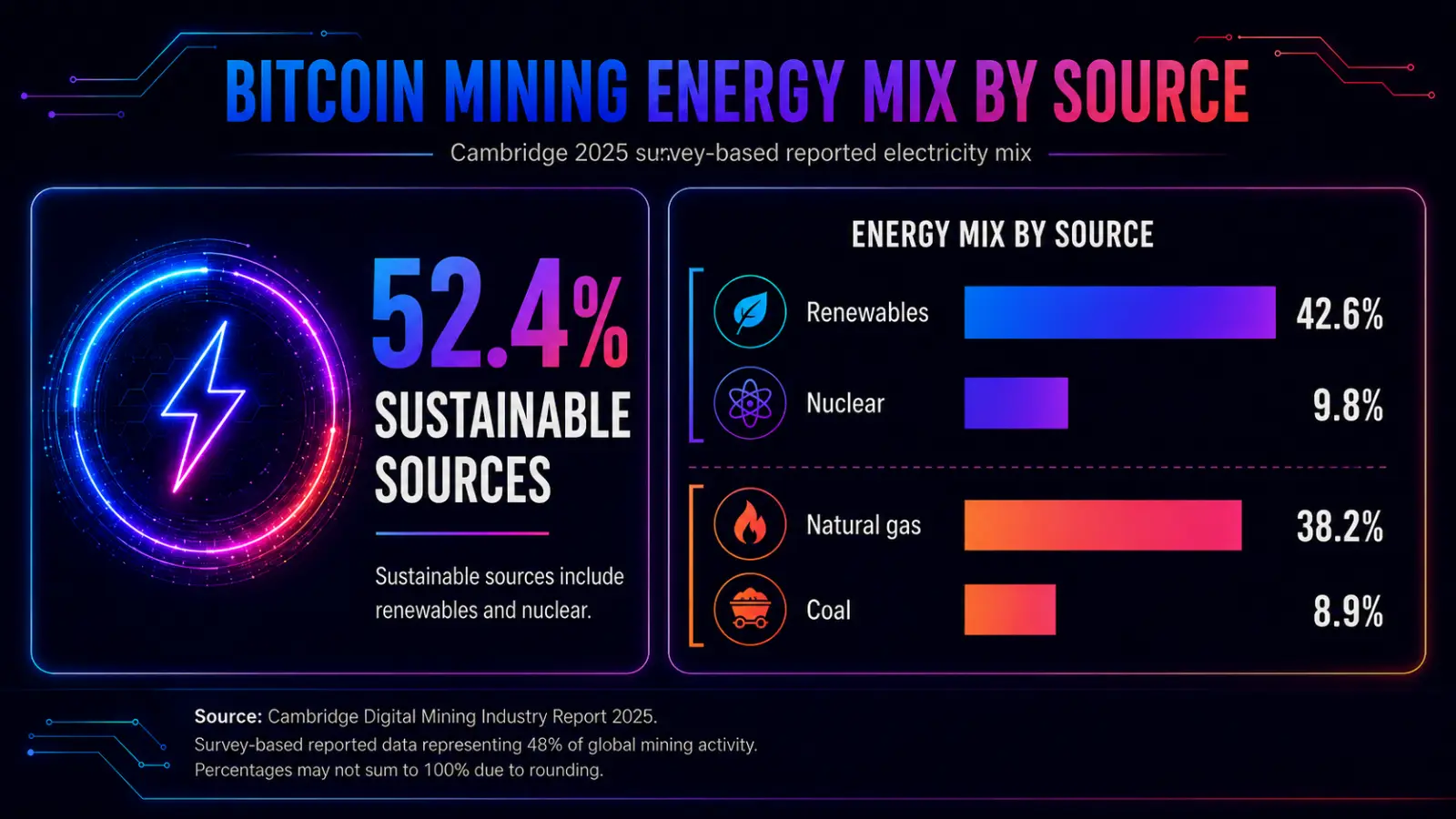
Natural gas accounted for 38.2% of the reported mix, while coal accounted for 8.9%.
The study also showed a shift from earlier research, with coal declining substantially while renewables and nuclear increased.
These figures require context. The study covered a significant portion of the industry, not every miner everywhere. Still, current data is more useful than repeating old figures as if the network has never changed.
The Bitcoin network changes. Mining geography changes. Hardware improves. Energy markets change. Environmental analysis has to change with them.
Energy Source Matters
The debate often treats every terawatt-hour as environmentally identical.
It is not.
The same amount of electricity can have a radically different emissions profile depending on the generation mix. Electricity consumption matters, but by itself, it is an incomplete environmental measurement.
What About Energy That Is Already Being Wasted?
The global energy system already wastes enormous amounts of potential energy. Gas flaring is one of countless examples at scale.
According to the World Bank, 167 billion cubic meters of associated gas were flared globally in 2025, with the wasted gas valued at approximately $54 billion.
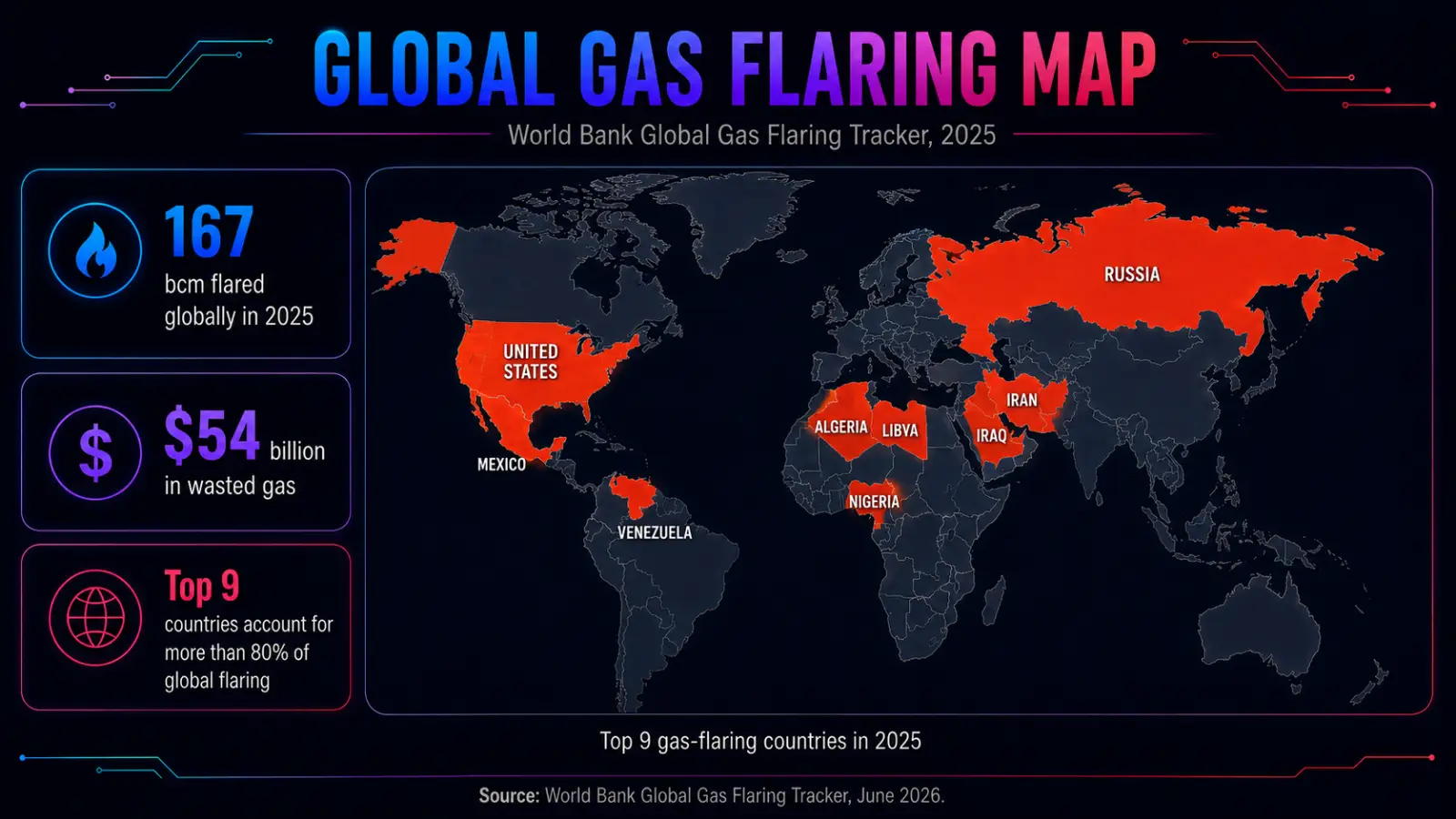
This problem existed before Bitcoin and would continue if Bitcoin disappeared tomorrow.
This is energy consumed and discarded without providing electricity, financial settlement, computing power, transportation, or any other productive service. The gas is simply burned because capturing, transporting, or selling it is considered uneconomic.
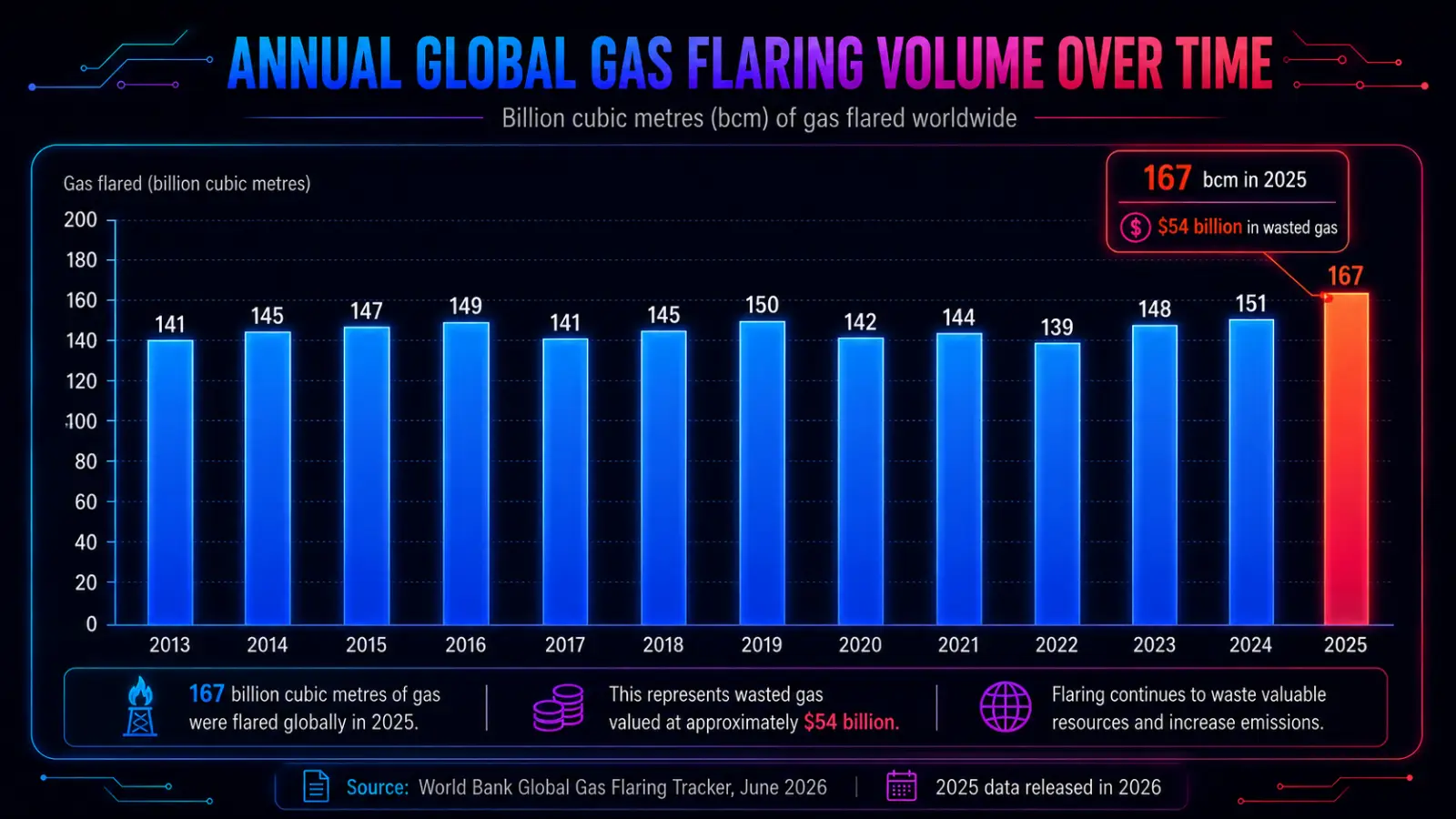
Gas flaring is only one example of systemic waste across energy production, transmission, transportation, industry, and infrastructure.
That context matters. Bitcoin mining can be criticized for its energy use, but energy consumption and energy waste are not the same thing. A system consuming energy to provide a service is fundamentally different from energy being lost, curtailed, leaked, or burned without productive output.
If environmental concern is genuinely about waste, then scrutiny should also focus on the enormous quantities of energy that produce no benefit at all.
Stranded Energy Is a Real Problem
Energy production and energy demand do not always exist in the same place.
Some resources are far from population centers or transmission infrastructure. Renewable generation can also be curtailed when production exceeds what a local system can absorb.
Bitcoin mining is interesting because the computing equipment can sometimes move to the energy source rather than requiring the energy to move to a traditional consumer.
It does not solve every stranded-energy problem, but in some places, it can create a buyer where none previously existed.
Bitcoin Mining Produces Heat. Why Waste It?
Bitcoin mining converts electricity into computation and heat.
Historically, the heat was treated as waste. That has already changed.
Mining heat has been tested or deployed for district heating, buildings, pools, greenhouses, water heating, and other applications. MARA has documented the integration of mining heat in Finnish district heating projects, while other demonstration projects have explored similar models.
Another great example can be found in Vancouver, Canada, where a district system serving 100 buildings and around 7,000 apartments draws part of its winter heat from Bitcoin miners. They cleanly capture over 96% of the energy and were the first city in North America to do so in 2021.
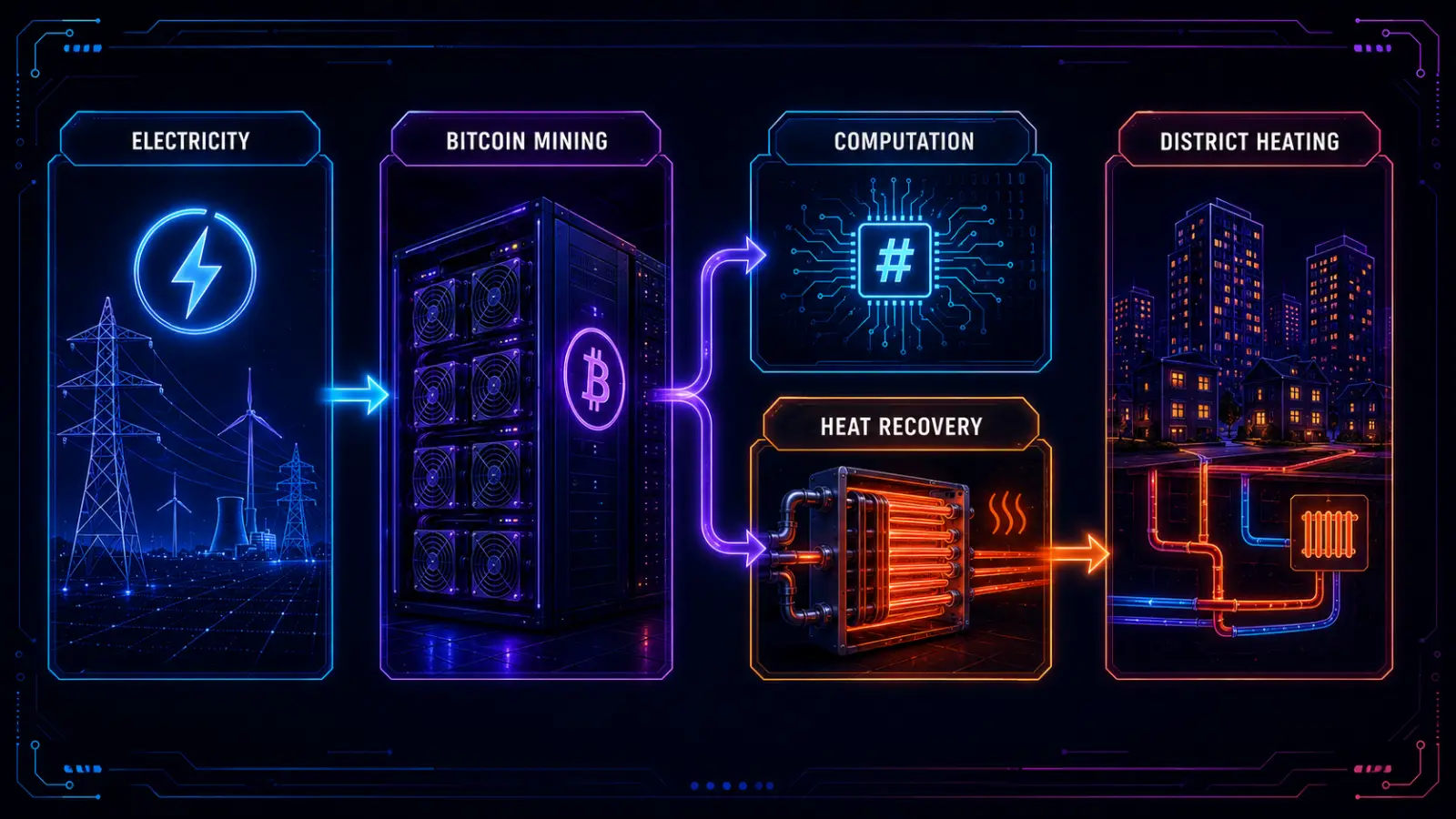
This is not a universal solution. Heat reuse depends on location, climate, thermal demand, infrastructure, and economics. This is also just one example; there are so many ways the heat is being reused worldwide.
But where it works, the efficiency equation changes. Instead of producing computation and discarded heat, the same input produces computation and a useful thermal output.
The future of computing should not only be about consuming less energy. It should also be about wasting less of the energy we already consume.
Banking Has an Environmental Cost Too
One of the most common pro-Bitcoin claims is that Bitcoin uses less energy than traditional banking.
There is evidence supporting that conclusion under some methodologies, but the comparison requires careful language.
A 2024 analysis by Payless Power estimated Bitcoin’s annual electricity use at approximately 167.14 TWh, compared with 258.85 TWh for the banking infrastructure included in its model
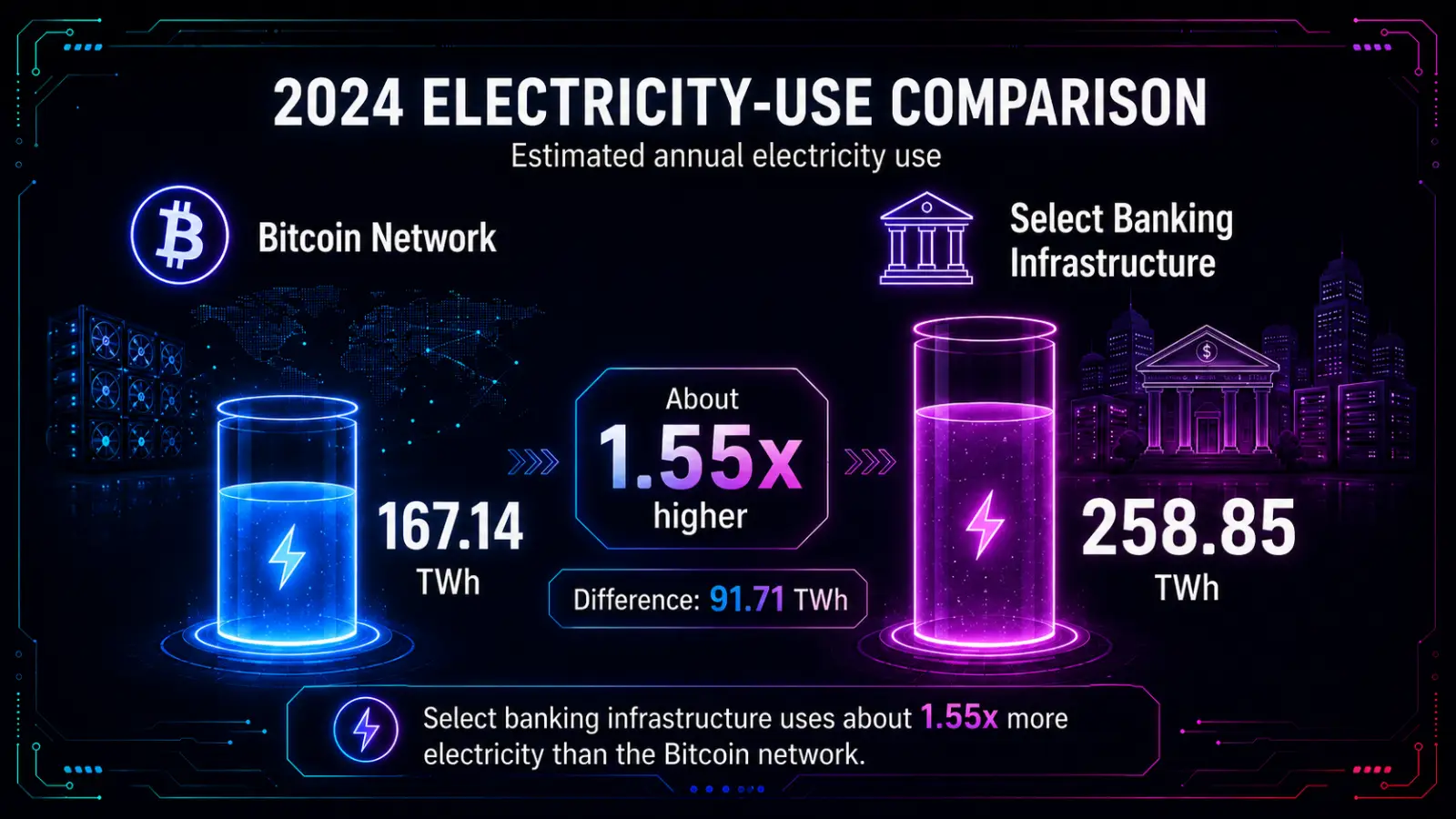
The comparison still has limitations. The banking estimate relies on extrapolation and does not include every part of the financial system. The broader system also includes central banks, clearing networks, exchanges, cloud infrastructure, cybersecurity, cash distribution, offices, and third-party providers.
The answer changes depending on what gets counted.
The traditional financial system is not environmentally friendly. Its costs are simply distributed across so many systems that they are difficult to compress into one viral number.
Visibility Is One of Bitcoin’s Strengths
Bitcoin’s critics benefit from something that is actually one of Bitcoin’s best features.
Bitcoin is visible.
The ledger is public. The supply schedule is known. Network hashrate is observable. Block production is visible. Transactions can be independently verified. Mining hardware efficiency can be studied.
Researchers can estimate electricity consumption because the network exposes sufficient public information to enable a rigorous analysis.
That is accountability.
The fact that Cambridge can maintain a live Bitcoin Electricity Consumption Index is part of what makes the network extraordinary.
Try doing the same for the complete traditional financial system.
There is nothing close to a live global dashboard showing the combined electricity consumption of every bank, central bank, cloud workload, branch, ATM, settlement system, payment processor, exchange, trading platform, and financial intermediary.
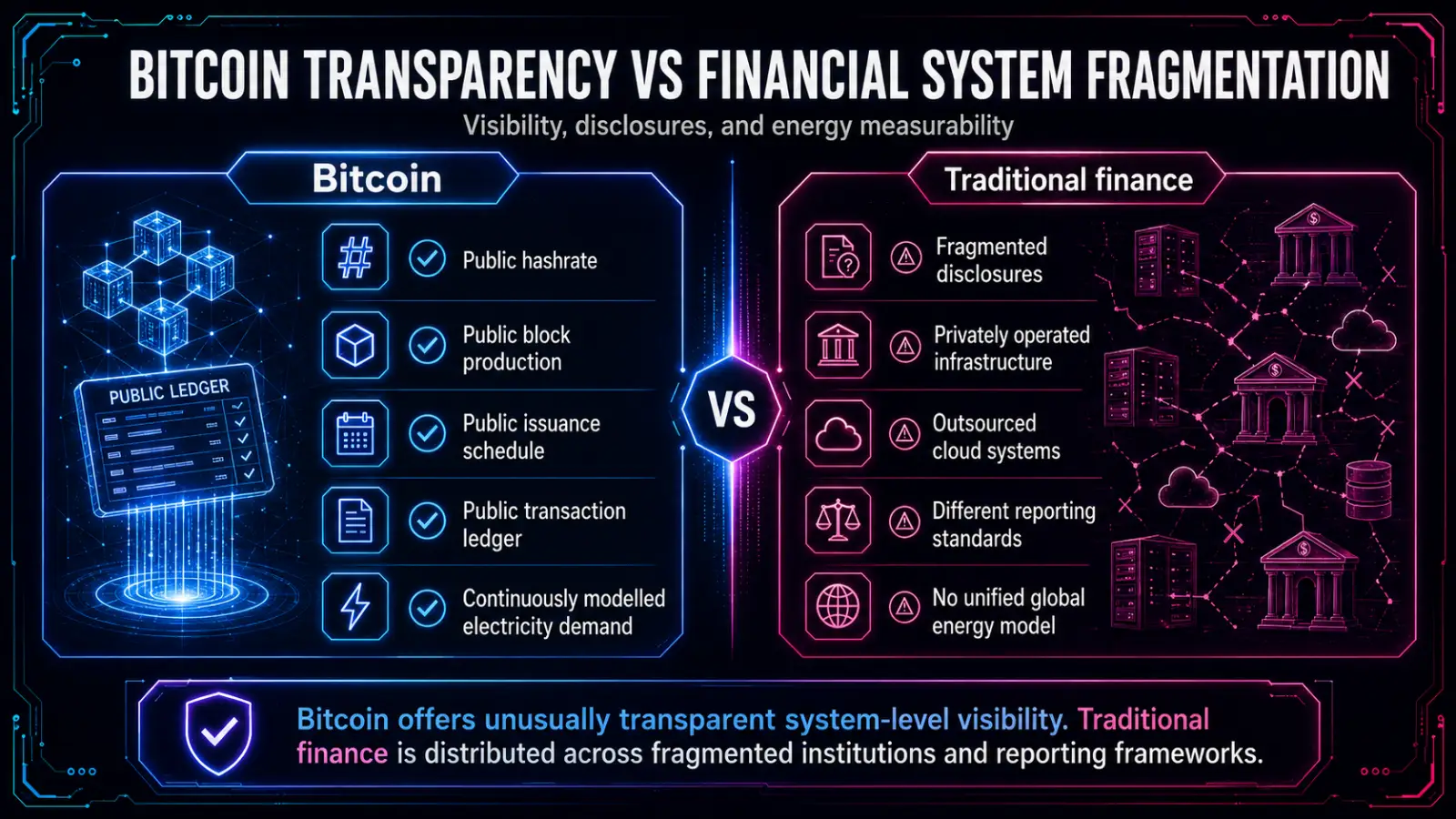
Visibility should not be confused with uniqueness. Many industries consume enormous amounts of energy. Bitcoin is unusual because its activity can be observed and studied with a level of transparency that most industries do not provide.
That transparency enables criticism, more accurate estimates, competing methodologies, and greater accountability.
Bitcoin’s energy use is visible because Bitcoin is measurable. That transparency is a feature, not an admission of guilt.
The Network Is Always Available
Bitcoin operates continuously.
It does not close for weekends or holidays, and it does not require two banks to form a business relationship before two addresses can transact.
Traditional systems are often easier for everyday purchases and provide consumer protections that Bitcoin does not. Different systems are good at different things.
Bitcoin does not need to replace every retail payment to be useful.
Gold Is a Better Comparison, but Still Imperfect
Bitcoin is often described as digital gold, which makes gold a more useful conceptual comparison than Visa.
Gold has to be discovered, extracted, crushed, processed, refined, transported, secured, insured, stored, and sometimes transported again.
All of those processes have environmental costs.
Gold also has value. It is used in jewelry, electronics, industry, investment products, central bank reserves, and as a store of value.
Society does not generally respond to gold mining’s environmental cost by pretending gold has no utility. The argument is about whether the value justifies the cost and how to reduce the damage.
Bitcoin deserves the same framework.
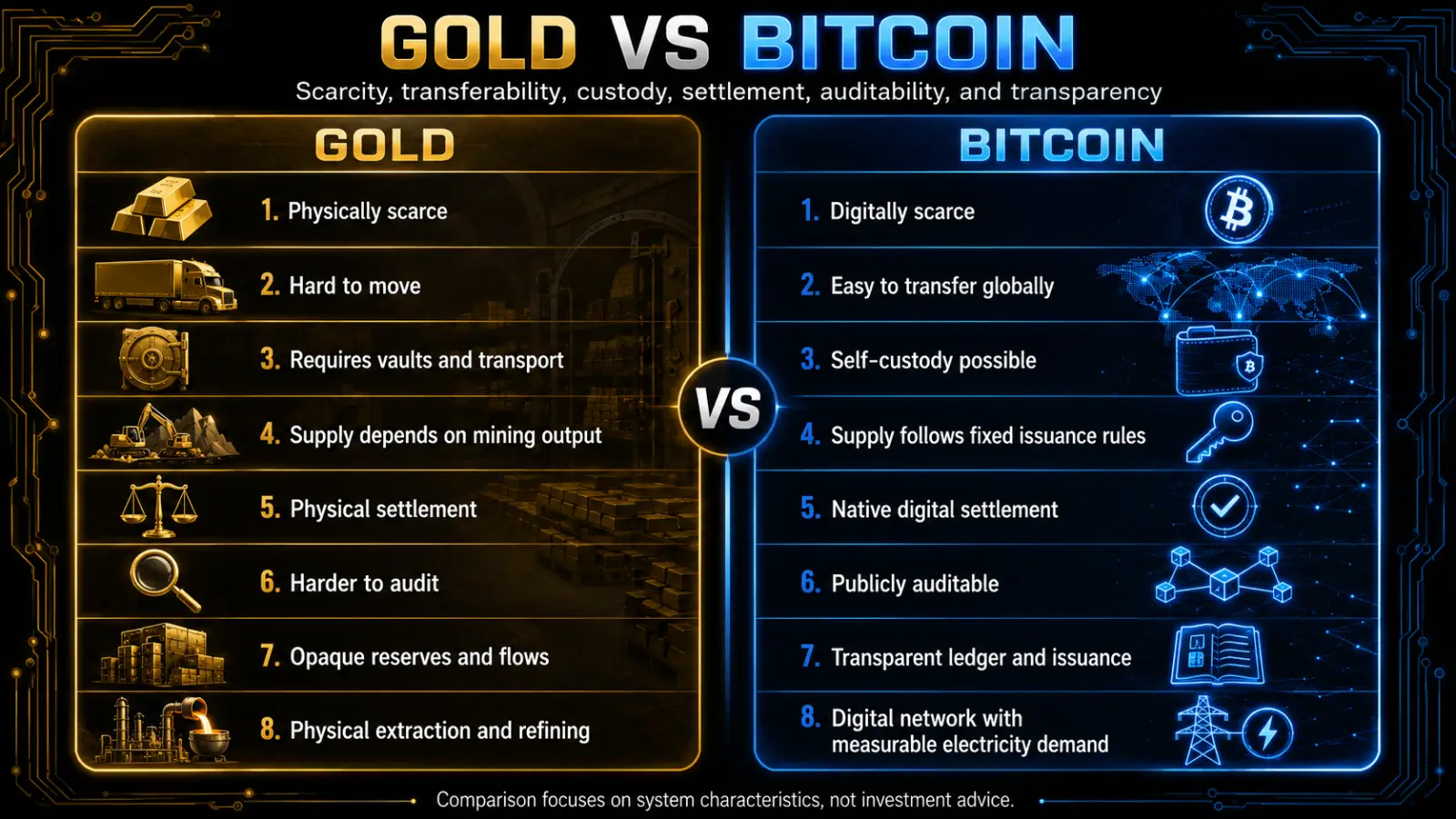
Bitcoin provides digital scarcity, global transferability, self-custody, predictable issuance, open participation, and a monetary network without a single administrator.
You can prefer gold, stocks, cash, or traditional banking. But pretending Bitcoin produces nothing of value is not an honest or credible analysis.
One does not see the need for a financial solution without first understanding the problem with the legacy system.
Environmental Outrage Is Often Selective
There is a recurring pattern in environmental debates around new technologies.
The environmental cost of the new system is isolated and magnified, while the cost of established systems becomes background infrastructure.
This does not mean Bitcoin should be ignored because another industry pollutes more. Multiple problems can exist at once.
But scale, consistency, and priorities matter.
The World Bank estimates that 167 billion cubic meters of associated gas were flared globally in 2025. Cambridge estimated Bitcoin mining at around 0.5% of global electricity consumption.
Both facts matter.
What concerns me is when environmentalism becomes a convenient tool for attacking technologies people already dislike, rather than a consistent method for evaluating resource use.
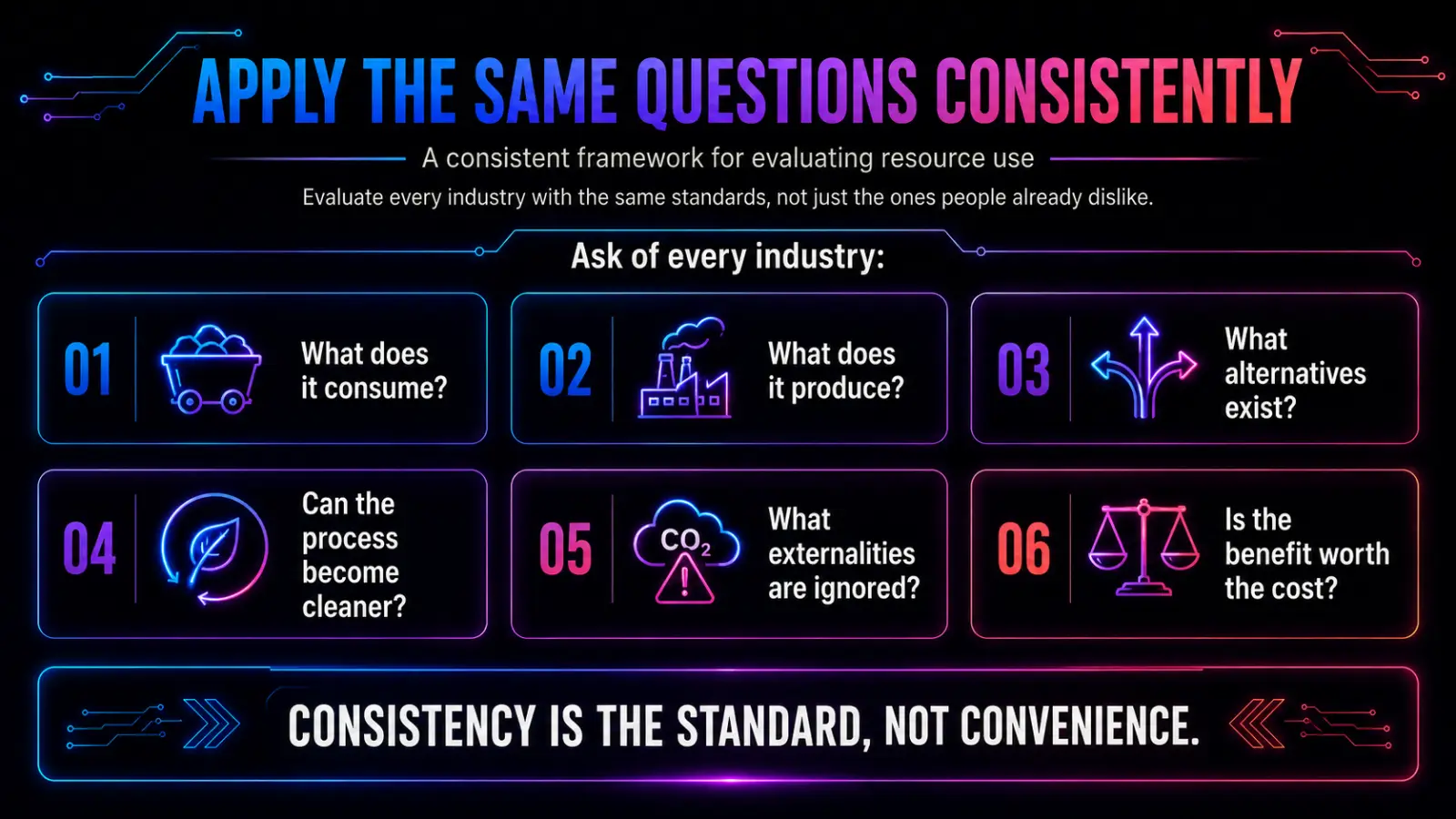
The Paper Straw Problem
The paper straw debate is a good example.
Plastic straws became a visible symbol of pollution, so replacing them with paper became an easy environmental gesture. But plastic straws account for only a small portion of plastic waste, while paper alternatives can require more energy and resources to produce and are not always recyclable or readily biodegradable in real-world conditions.
Providing only paper straws can also be considered discriminatory toward those who require hypoallergenic plastic straws or straws suitable for hot drinks. By doing this, it effectively trades an environmental problem for a human one.
The point is not that plastic waste does not matter. It is that visible targets often receive more attention than larger, harder problems like the abandoned fishing gear that makes up a large share of the plastic in ocean garbage patches. If we want to actually provide a meaningful impact, the problem we are tackling is the key concern.
The easiest environmental symbol is not always the biggest environmental solution.
Bitcoin faces a similar problem. Its energy use is visible and measurable, which makes it an easier target than sprawling industries whose costs are harder to track.
That applies to Bitcoin, but also to banking, gold, cloud computing, automated trading, advertising infrastructure, social media, streaming, mining, manufacturing, and AI.
So, Is Bitcoin Worth the Energy?
Yes.
Not because electricity consumption does not matter, and not because all Bitcoin mining is environmentally responsible.
Bitcoin is worth the cost because a globally accessible, digitally scarce, censorship-resistant monetary network without a centralized administrator is useful infrastructure.
The cost is real.
The output is real too.
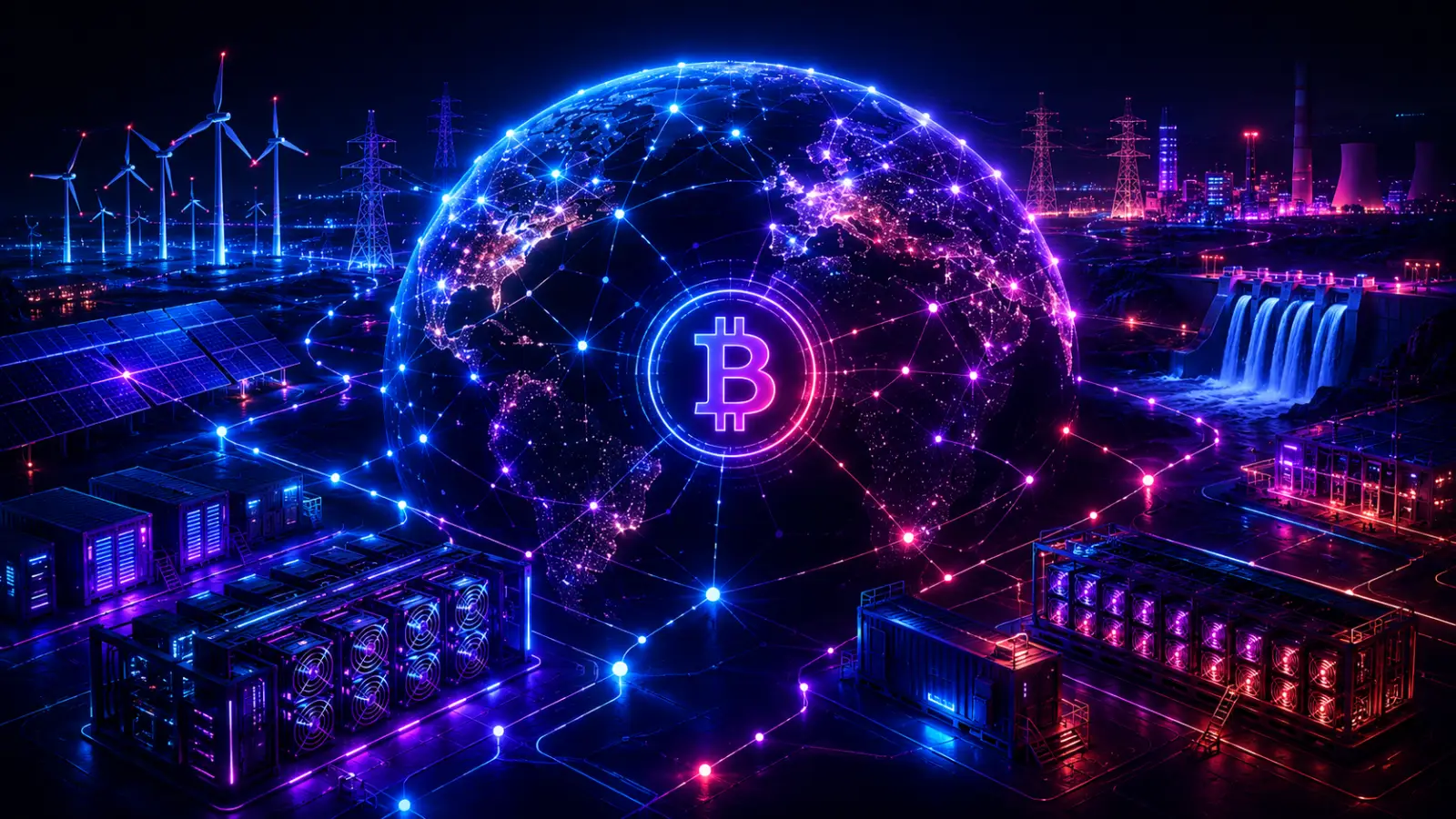
The practical response should be to improve how mining interacts with energy systems:
Use lower-carbon electricity where possible;
Improve hardware efficiency;
Extend hardware lifespans and recycle retired machines to limit electronic waste;
Build demand-response systems where they genuinely help;
Use curtailed or stranded energy when it makes sense;
Mitigate methane where the alternative is worse;
Reuse heat where practical;
Measure the network honestly;
Criticize harmful mining practices when they deserve criticism.
The honest question is not whether Bitcoin consumes energy. It is a question of whether an open global monetary network is worth the energy required to secure it. My answer is yes.
We Are Going to Have This Debate Again
Bitcoin will not be the last technology accused of using too many resources.
The same debate is already happening around AI, data centers, electricity demand, water consumption, chip manufacturing, cooling infrastructure, and the growth of the global computing sector.
Some of those concerns are legitimate.
The International Energy Agency reported that data centers consumed around 415 TWh of electricity globally in 2024, approximately 1.5% of global electricity use. Its projections show demand rising significantly by 2030, with AI as a major driver.
Those numbers deserve scrutiny.
So do the benefits.
Data centers support far more than generative AI. They underpin cloud infrastructure, networking, scientific research, data storage, cybersecurity, enterprise software, financial systems, communication, simulations, weather forecasting, healthcare applications, streaming, and much more.
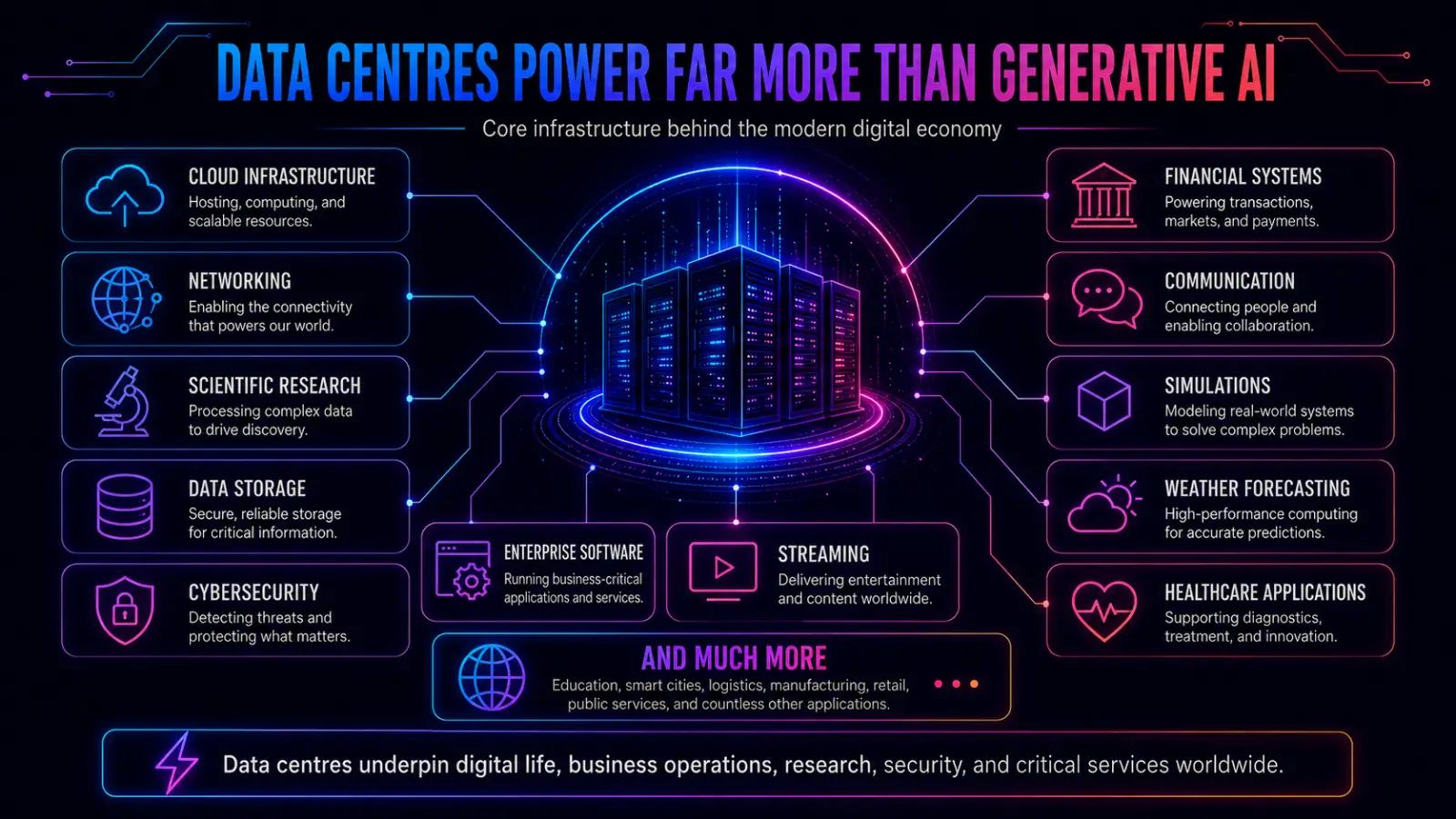
A technology can have real environmental costs and significant utility at the same time.
The answer is not blind technological optimism. It is also not a selective form of technological pessimism.
The serious questions are always the same: what are we building, what does it cost, what does it replace, what does it enable, can we make it cleaner, and is the trade worth making?
Bitcoin uses a lot of energy.
After examining what the network provides, I still believe it is more than worth it.
The challenge is not pretending the cost does not exist. The challenge is building energy systems capable of supporting useful infrastructure, computation, industry, and human progress with less waste and lower environmental impact.
That debate did not end with Bitcoin.
It is only getting bigger.
Sources and Further Reading
Current and Primary Sources
- Cambridge Centre for Alternative Finance - Cambridge Bitcoin Electricity Consumption Index
- Cambridge Centre for Alternative Finance - CBECI Comparisons
- Cambridge Centre for Alternative Finance - CBECI Methodology
- Energy Market in China – Trade Commissioner Government of Canada
- People’s Republic of China Electricity Generation Mix 2026 – Low Carbon Power
- Cambridge Judge Business School - Cambridge Study: Sustainable Energy Rising in Bitcoin Mining
- Neumueller et al. - Cambridge Digital Mining Industry Report, 2025
- World Bank - Global Gas Flaring Data
- World Bank - What Is Gas Flaring?
- World Bank - Global Flaring Rises Three Years in a Row
- International Energy Agency - Energy and AI
- International Energy Agency - Energy Demand from AI
- International Energy Agency - Key Questions on Energy and AI
- U.S. Energy Information Administration - Data Centers and Cryptocurrency Mining in Texas Drive Strong Power Demand Growth
- ERCOT - Demand Response Programs
Research and Technical Sources
- Stoll et al. - Climate Impacts of Bitcoin Mining in the U.S., MIT CEEPR
- Dasaklis et al. - Rethinking Bitcoin’s Energy Use Through Sustainable Digital Transformation
- Ibañez and Freier - Bitcoin’s Carbon Footprint Revisited: Proof of Work Mining for Renewable Energy Expansion
- Paez et al. - Aligning Load Flexibility with Emissions Reduction: Empirical Insights from Cryptocurrency Data Centers
- Majumder - Hashprice Modulates the Electricity Demand Response of Bitcoin Miners
- Harnessing Bitcoin Mining for Methane Mitigation
- Rudd et al. - Bitcoin and Its Energy, Environmental, and Social Impacts
Banking, Gold, and System Comparison Sources
- Galaxy Digital Research - On Bitcoin’s Energy Consumption
- The Bitcoin Network vs. World Banking Energy Consumption
- Foundation for Economic Education - Bitcoin Uses Half the Energy of the Banking System: New Paper
- Kitco News - Gold’s Energy Consumption Doubles That of Bitcoin: Galaxy Digital
- Decrypt - Banks Use Over Double the Energy of Bitcoin
Historical Debate Sources
EnergyRates.ca - Crypto Mining: Why Does Bitcoin Use So Much Energy?
- Cointelegraph - Report: 76% of Crypto Miners Use Renewables as Part of Their Energy Mix
- Harvard Business Review - How Much Energy Does Bitcoin Actually Consume?
- TechCrunch - The Debate About Cryptocurrency and Energy Consumption
- Statista - Bitcoin Energy Consumption Transaction Comparison with Visa
- Statista - Bitcoin Energy Consumption Worldwide
Heat Reuse and Energy Integration
The Digital Debrief Newsletter
Subscribe for more field notes
Practical field notes on AI, Web3, privacy, decentralization, social media, and the systems shaping the internet, delivered straight to your inbox.
Found it useful?
Share it with someone who'd care, or grab the link.
Got a project or question?
I work with brands across AI, Web3, cybersecurity, and SaaS.